Across boardroom tables and leadership offsites, enterprise leaders are actively exploring autonomous AI agents to transform core operations—from streamlining compliance reporting to automating complex analytical workflows. Yet, as pilot programmes transition from basic prototypes into live production environments, many teams run into a perplexing wall: the more complex the business workflow becomes, the more the AI’s decision-making seems to unravel.
When this happens, the initial reaction can often be that the model simply needs more context to provide a better output.
When Good Agents Make Bad Decisions
Let me explain this with a real-life scenario: deploying an automated Metric Reconciliation Agent designed to investigate variances across financial reports, sales orders, delivery milestones, and billing ledgers.
On paper, the objective is straightforward—eliminate manual cross-checking and highlight potential revenue leakage. But as the agent runs across multiple steps, querying records and piecing together findings, uncurated information begins to snowball. Without deliberate guardrails, four classic operational failure modes emerge:
- Poisoning (Compounding Error): Think of this as the digital equivalent of an unverified rumour spreading through an office. If an initial query misinterprets a pending delivery milestone as missing revenue, that unverified assumption enters the agent's working memory. Rather than self-correcting, every subsequent calculation treats that error as established fact, fabricating phantom revenue leakage in the final executive report.
- Distraction (Losing the Plot): An agent’s working memory is finite. When tasked with explaining a sudden margin variance in this quarter's numbers, an unguided agent can easily get bogged down analysing pages of routine operational notes or historical transactions from three quarters ago, completely overlooking the live anomaly right in front of it.
- Confusion (Signal Dilution): When raw, unstructured logs or entire database schemas are dumped into the context window, the signal is diluted. Irrelevant background noise and minor edge cases nudge the agent off track, leading it to misclassify a high-priority business variance as routine background noise.
- Clash (Unreconciled Contradictions): What happens when an updated standard operating procedure sits on the same network drive as an outdated legacy runbook? When faced with conflicting documents, an agent will not politely raise its hand to ask for clarification. It will quietly guess, enforce the outdated rule, and trigger an unapproved compliance deviation without anyone realising until an audit takes place.
The Four Disciplines of Context Design
Fixing these issues does not require waiting for a newer, larger foundational model. It comes down to context engineering—the practice of deliberately curating what the model sees at every step of execution.
In practice, this boils down to four simple, robust disciplines:
1. Write — The Digital Notepad
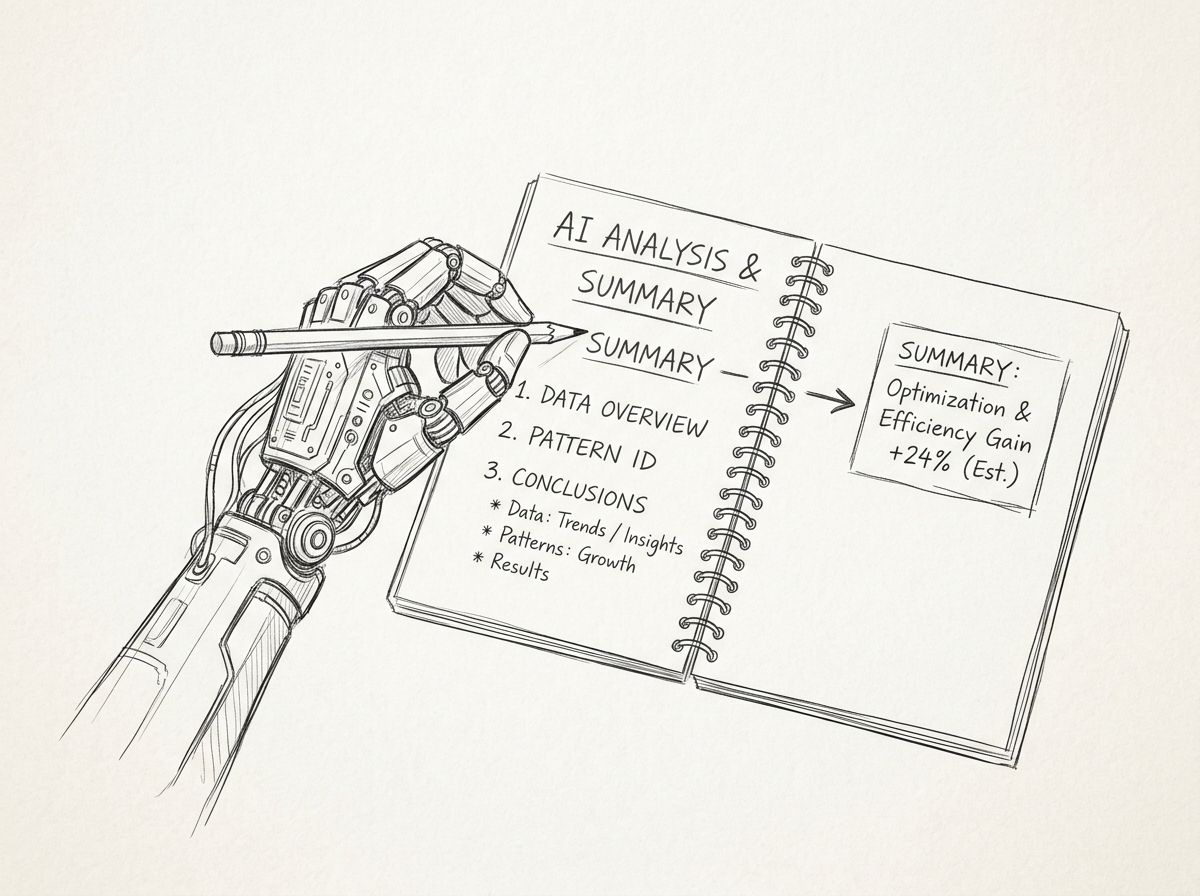
Just as human analysts jot down notes to keep their thinking clear, we give the agent a dedicated scratchpad tool. Instead of stuffing every intermediate calculation and API payload into active prompt memory, the agent records working steps externally and only pulls in the refined summary when needed.
2. Select — Business Logic Curation
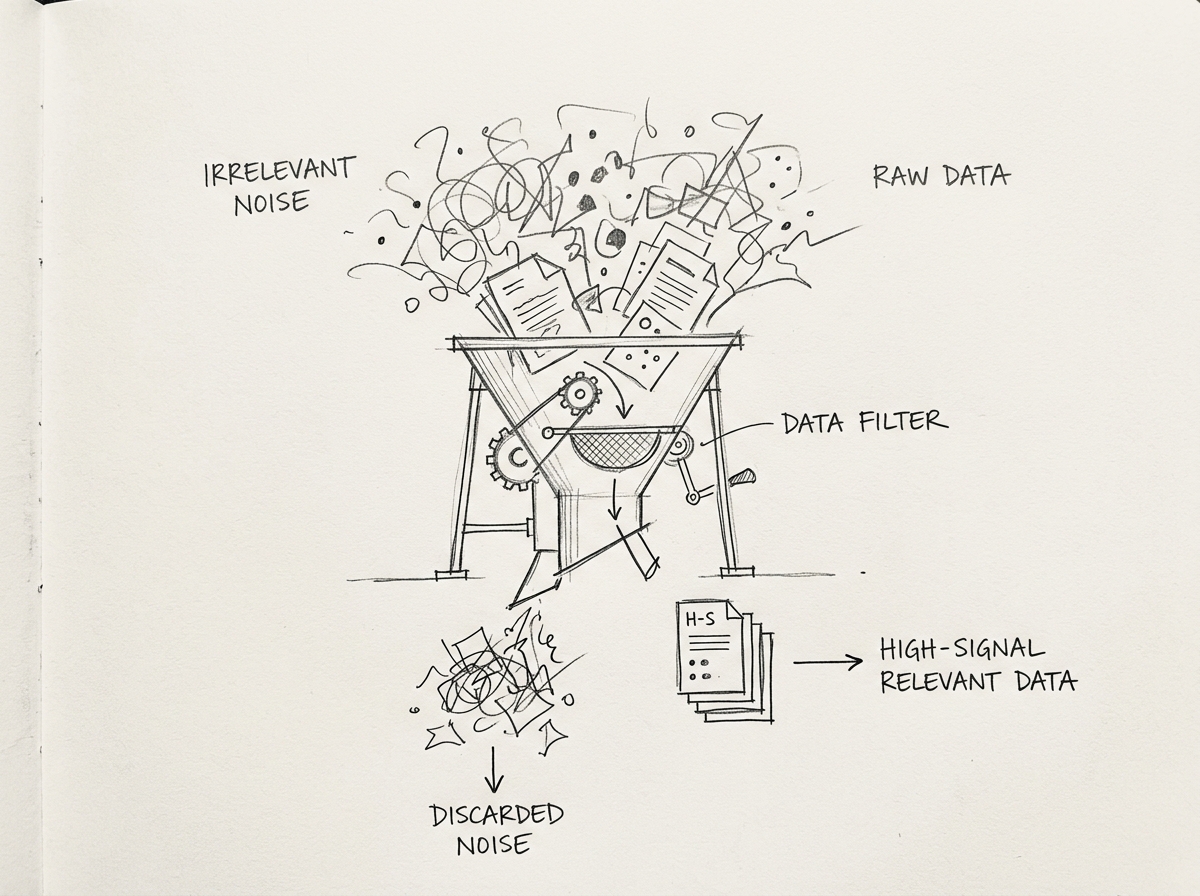
Stop data hoarding. Rather than feeding the agent entire data warehouses, apply sharp business logic upfront to retrieve only the precise policy rules and high-signal data slices relevant to the specific variance being analysed.
3. Compress — Data Hygiene & Time Windows
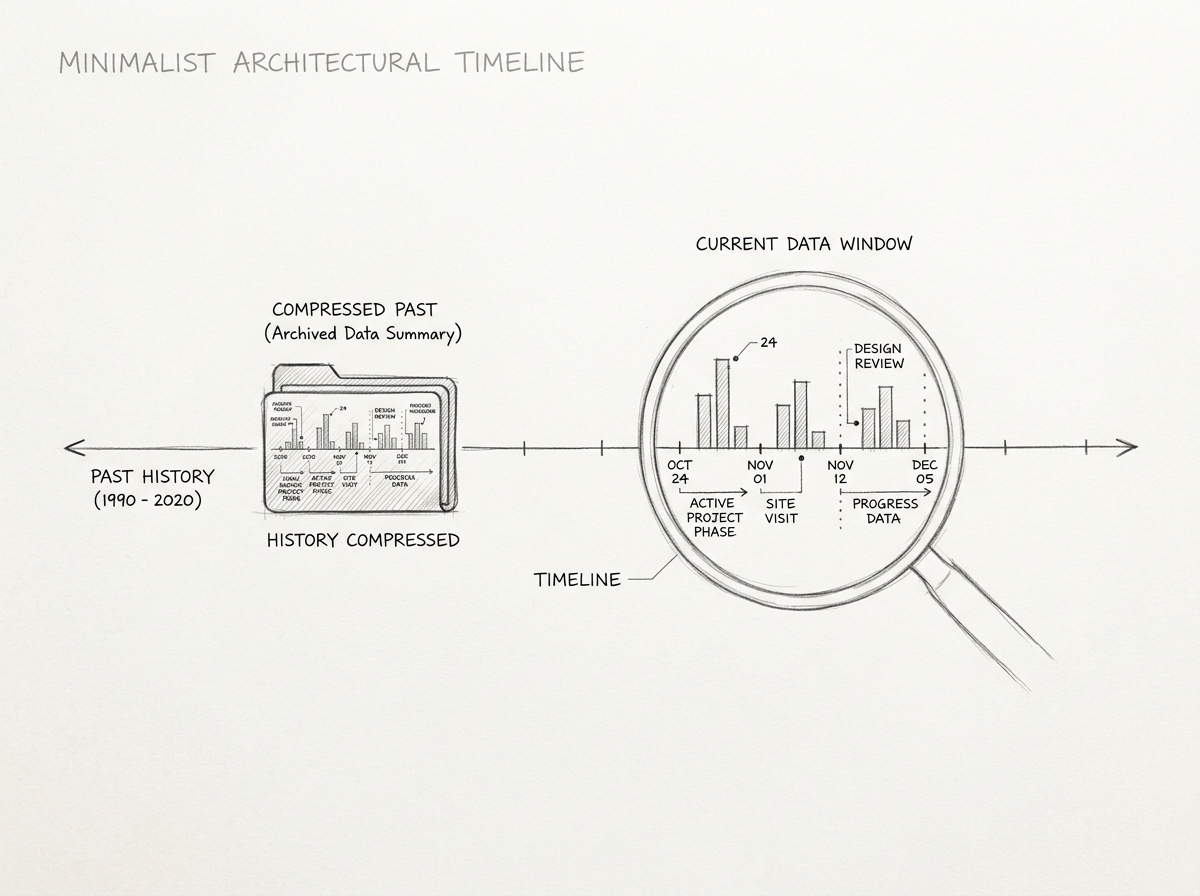
Think of this as operational data hygiene. Instead of dragging an exhausting, twenty-turn conversational history everywhere, periodically clean and summarise past steps into concise state checkpoints, bounding the agent’s focus strictly to the relevant financial time period.
4. Isolate — Specialist Sub-Agents
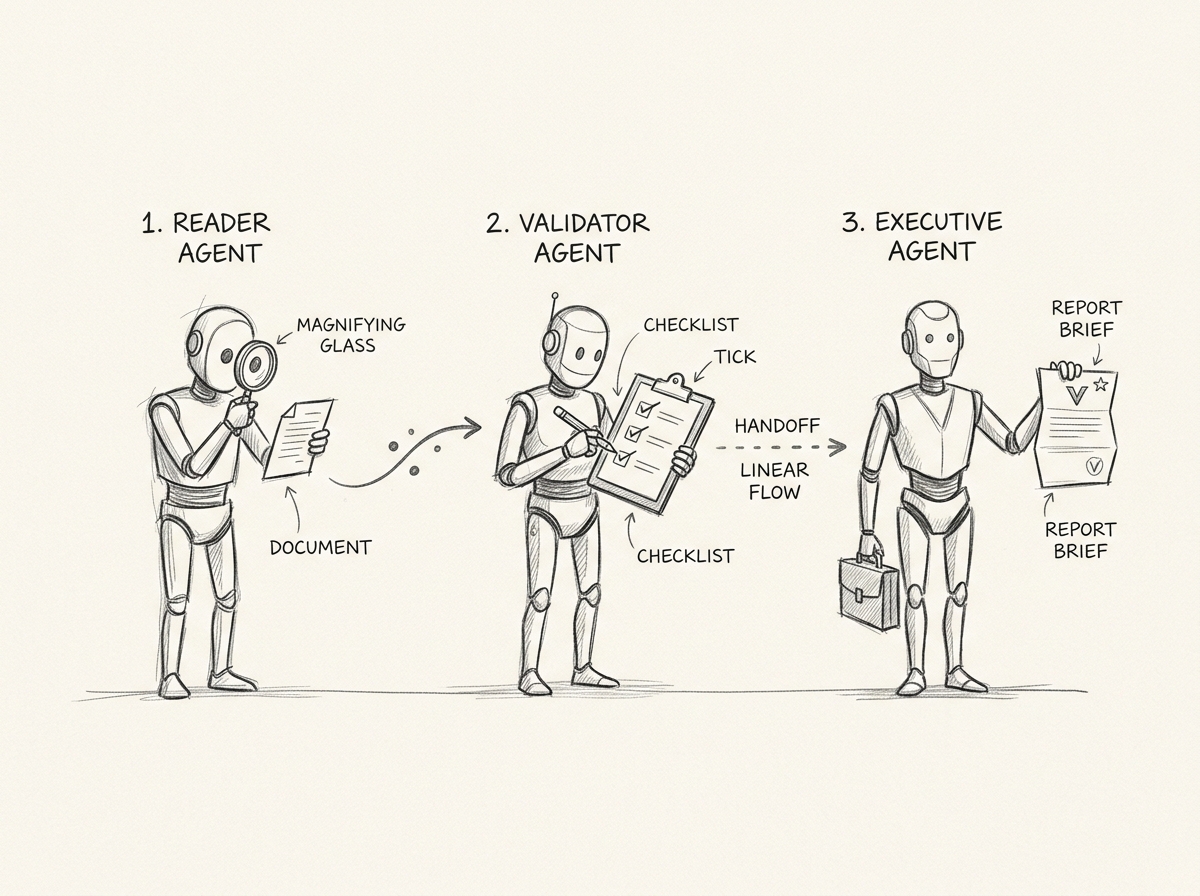
Avoid forcing a single agent to act as investigator, auditor, and presenter simultaneously. Split the responsibilities: let a Reader agent gather ledger records, a Validation agent verify business rules, and an Executive writer craft the final summary. This keeps each workspace clean and prevents errors in one area from polluting the rest.
In Summary
A high-performing enterprise AI agent is never just a raw model; it is the harness, guardrails, and context architecture wrapped around it.
When we treat context as a scarce, strategic resource—curating high-signal inputs, enabling scratchpads, and isolating responsibilities—we transform unpredictable chatbots into dependable enterprise teammates. The competitive edge in enterprise AI does not come from feeding models more noise; it comes from engineering the discipline to give them clarity.